Finding truly regional Indian food outside its place of origin can be challenging. Many diners looking for Thalappakatti Biryani Wilmington are not only looking for a flavorful rice dish but also trying to discover the tradition, ingredients, and cooking methods behind one of South India’s most recognized biryani styles.
South Indian cuisine is often associated with dosa, idli, vada, and sambar, but its culinary identity extends far beyond breakfast favorites.
From Tamil Nadu’s Dindigul biryani to coastal seafood specialties, every region brings unique techniques and flavors. Understanding these traditions helps diners appreciate why certain dishes stand apart.
What Makes Thalappakatti Biryani Different From Other Biryani Styles?
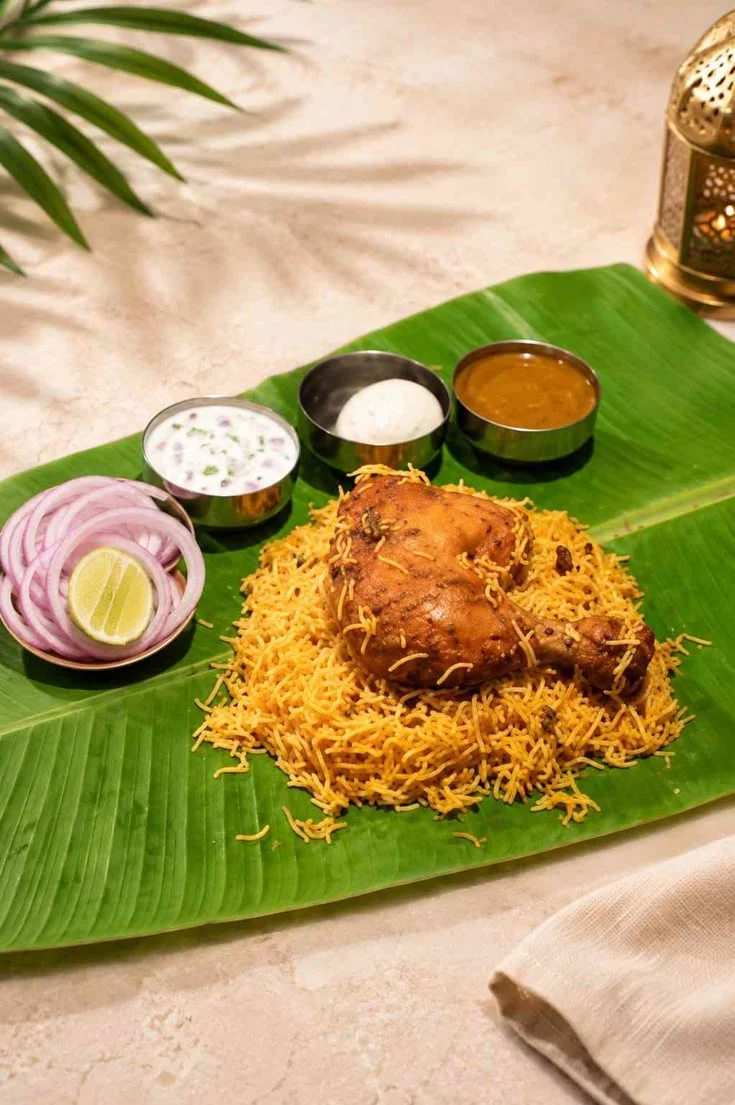
Thalappakatti Biryani is known for its Dindigul-style preparation, which uses aromatic seeraga samba rice, carefully balanced spices, and a slow-cooking technique that creates a distinctive flavor profile. Unlike long-grain rice-based biryanis, this style focuses on intense aroma, spice harmony, and regional Tamil Nadu traditions.
The uniqueness of this biryani comes from its connection to Dindigul biryani, a famous style from Tamil Nadu. Instead of relying only on large rice grains, it uses small, fragrant seeraga samba rice that absorbs spices deeply.
The result is a biryani where every grain carries the flavors of:
- Freshly ground spices
- Ginger and garlic
- Herbs such as mint and coriander
- Marinated meat or vegetables
- Traditional Tamil cooking techniques
This creates a more compact, flavorful bite compared with some other biryani varieties.
The Cultural Connection Behind Dindigul Biryani
Biryani is not one single dish across India. Different regions have developed their own versions based on local ingredients and traditions.
Dindigul biryani represents the culinary heritage of Tamil Nadu. It reflects the region’s preference for bold spices, balanced heat, and deeply infused flavors. The dish became popular because of its unique preparation style and ability to deliver strong flavor without overwhelming the palate.
One important difference between regional biryanis is the rice choice.
While some biryanis use basmati rice for longer grains and lighter texture, Tamil-style preparations often use seeraga samba rice. This rice variety is smaller, aromatic, and absorbs seasoning exceptionally well.
This is one reason South Indian biryani has a distinct identity among Indian rice dishes.
Why Is Seeraga Samba Rice Important in South Indian Biryani?
Seeraga samba rice is important because its small grains absorb spices, meat juices, and aromatic ingredients more effectively than many other rice varieties. This creates a flavorful biryani where seasoning reaches throughout the dish rather than staying only on the surface.
Compared with basmati rice, which is known for its length and separate grains, seeraga samba provides a richer texture and deeper spice absorption.
In South Indian cuisine, this rice is commonly chosen for special dishes because it complements slow cooking. When combined with traditional spices, it creates a comforting and aromatic meal connected to South Indian culinary heritage.
What Makes Thalappakatti Biryani Wilmington a Regional Dining Experience?
A South Indian restaurant experience is often about exploring regional identity through food. In Wilmington, DE, diners interested in authentic Indian cuisine can discover how Tamil Nadu traditions influence dishes like biryani, dosa, idli, vada, and other specialties.
A restaurant serving Thalappakatti Biryani Wilmington gives diners an opportunity to experience a style of biryani rooted in Tamil cooking traditions rather than a generalized version of Indian food.
Along with biryani, many guests explore other South Indian specialties that represent the diversity of the cuisine:
- Crispy dosa with chutneys
- Soft idli paired with sambar
- Medu vada with traditional accompaniments
- Vegetarian South Indian dishes featuring lentils, vegetables, and spices
This variety makes South Indian restaurants suitable for different dining preferences, from quick lunches to weekend family meals.
How Is Authentic South Indian Biryani Prepared?
Authentic South Indian biryani is prepared by combining marinated ingredients, aromatic spices, herbs, and regional rice varieties through a controlled cooking process. The goal is to allow each ingredient to contribute flavor while maintaining the traditional balance of spice, aroma, and texture.
The preparation usually includes:
Spice Preparation
Fresh spices create the foundation of the dish. Ingredients such as cinnamon, cloves, cardamom, pepper, green chilies, ginger, and garlic contribute layers of aroma.
Rice and Ingredient Balance
The rice is not simply mixed with curry. Instead, it cooks together with the seasoned ingredients, so the flavors develop throughout the dish.
Slow Cooking Method
Traditional biryani techniques allow steam and heat to combine the ingredients gradually, creating tender textures and a rich aroma.
This attention to preparation is what separates authentic regional biryani from ordinary rice dishes.
How Is South Indian Cuisine Different From North Indian Cuisine?
South Indian cuisine generally highlights rice-based dishes, fermented foods, coconut, curry leaves, tamarind, and regional spice blends, while many North Indian dishes are more associated with wheat-based breads, dairy-rich preparations, and different spice profiles.
Both cuisines offer diverse traditions, but South Indian food often emphasizes:
- Rice-centered meals
- Tangy and aromatic flavors
- Lentil-based dishes
- Fresh chutneys
- Regional spice combinations
Understanding these differences helps diners explore Indian cuisine beyond familiar menu items.
What Should First-Time Visitors Order?
For someone trying South Indian food for the first time, choosing a combination of traditional dishes can provide a better understanding of the cuisine.
For Biryani Lovers
Start with:
- Thalappakatti-style biryani
- South Indian chicken biryani
- A cooling accompaniment such as raita
The biryani offers a complete introduction to Tamil Nadu’s spice balance and rice tradition.
For Vegetarian Diners
Consider:
- Masala dosa
- Idli with sambar
- Vada with chutneys
- Vegetarian South Indian meals
These dishes highlight the importance of fermented ingredients, lentils, and vegetables in the cuisine.
For Families and Groups
Weekend dining in Wilmington often includes sharing multiple dishes. Ordering biryani along with appetizers and South Indian specialties allows everyone to experience different flavors at the table.
Why Are Regional Indian Restaurants Becoming Popular in Wilmington?
Indian dining preferences are changing as more people look for authentic regional experiences rather than only familiar dishes. Diners are increasingly interested in understanding where food comes from, how it is prepared, and what cultural traditions influence each recipe.
South Indian restaurants also appeal to families, professionals looking for flavorful lunch options, and groups celebrating occasions with shared meals.