Finding authentic Indian food outside India often means looking beyond familiar dishes and understanding what makes a meal truly connected to its regional roots. When diners are looking for an Indian Restaurant Wilmington, they are usually looking for more than a convenient place to eat. They want traditional flavors, carefully prepared dishes, a welcoming atmosphere, and a dining experience that feels genuine.
Customer recommendations for Indian restaurants are often shaped by several factors: food quality, consistency, service, variety, and the ability to create memorable meals for different occasions.
Diners exploring Indian cuisine often look for restaurants that balance classic recipes with a comfortable dining environment.
This explores why customers recommend Sangam Indian Restaurant, what makes Indian cuisine meaningful, what first-time diners should know before ordering, and how regional Indian flavors create a unique dining experience.
What Are Customers Looking for When Choosing an Indian Restaurant in Wilmington, DE?
Where can they enjoy authentic Indian flavors with confidence? Diners usually consider factors such as Sangam restaurant menu variety, ingredient quality, cultural authenticity, service, and whether the restaurant suits different preferences.
A trusted restaurant recommendation often comes from consistent experiences. Guests want food that reflects traditional cooking methods while also providing a comfortable setting for lunch meetings, family dinners, celebrations, and casual gatherings.
Customer reviews and guest recommendations frequently highlight three important areas:
- Authentic preparation techniques
- A diverse menu representing different Indian regions
- Friendly service that enhances the overall meal experience
These elements help explain why some Indian restaurants become local dining favorites rather than just another dining option.
What Makes Indian Cuisine Meaningful Beyond Popular Dishes?
Indian cuisine is unique because it represents many regional traditions, cooking methods, and ingredient combinations rather than one single style of food. Each region has its own spices, techniques, and cultural influences that shape the dishes served today.
For example, South Indian food often focuses on fermented foods, rice-based dishes, coconut, lentils, and aromatic tempering techniques. North Indian cuisine commonly features slow-cooked curries, tandoor cooking, breads, and rich spice blends.
Three things many diners may not know about Indian food include:
1. Spices Are Used for Balance, Not Just Heat
Aromatic spices such as cumin, coriander, cardamom, turmeric, and cloves are combined carefully to build layers of flavor. Traditional Indian recipe cooking focuses on creating harmony between aroma, texture, sweetness, richness, and spice.
2. Many Indian Dishes Require Multiple Cooking Techniques
A single dish may involve roasting spices, slow simmering sauces, marinating ingredients, or preparing fresh bread separately. These techniques contribute to the depth of flavor found in traditional recipes.
3. Indian Meals Often Reflect Community and Sharing
Indian dining traditionally encourages sharing multiple dishes across the table. This makes the cuisine especially suitable for families, friends, and group gatherings where everyone can explore different flavors.
How Do Regional Indian Flavors Create a Memorable Dining Experience?
Regional Indian cuisine creates a memorable dining experience by connecting food with geography, tradition, and cooking methods. Different regions use unique ingredients and techniques, allowing diners to experience a wide range of flavors within Indian cuisine.
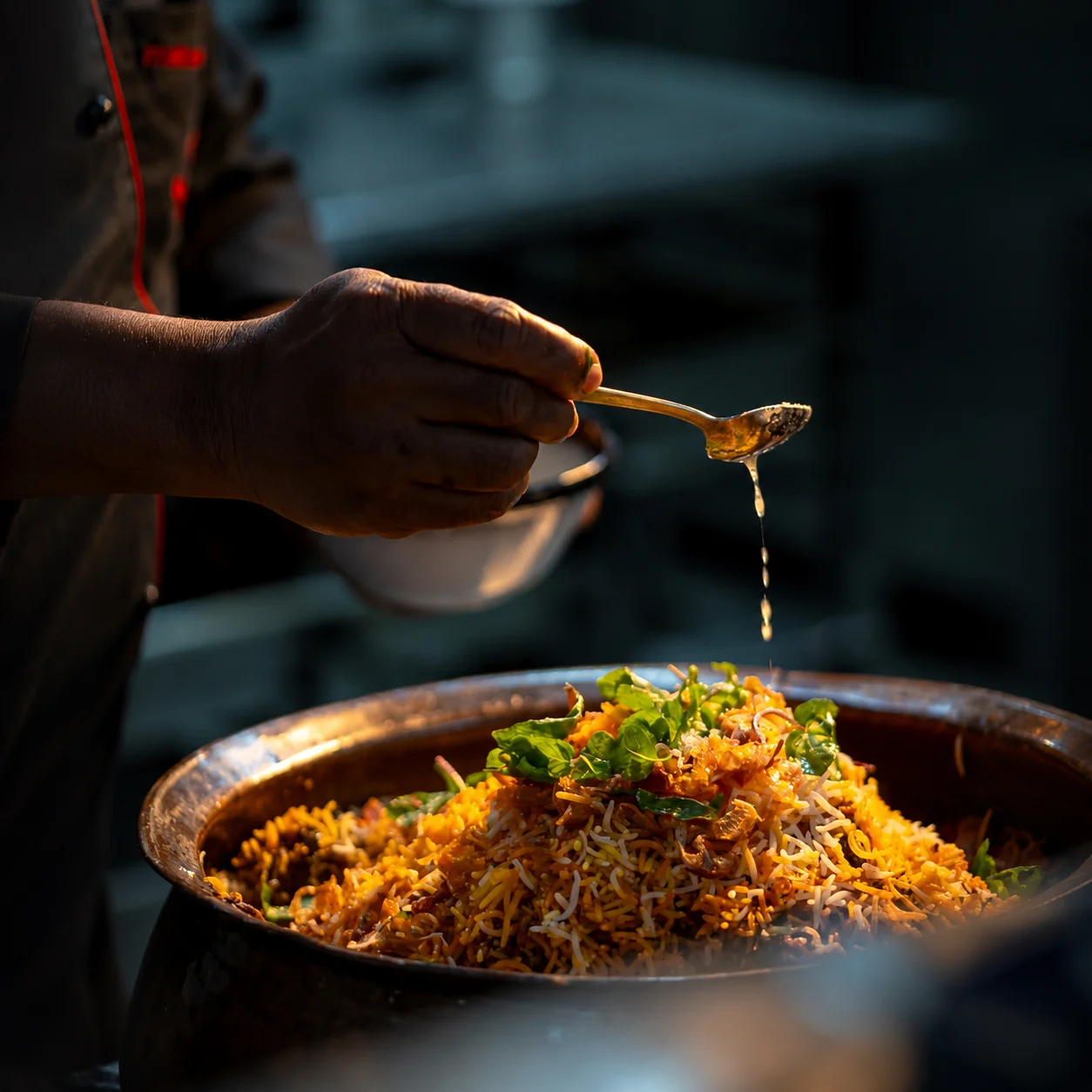
For example, biryani traditions vary significantly across India. Hyderabadi-style biryani is known for fragrant basmati rice, layered spices, and slow cooking methods that allow flavors to develop gradually.
South Indian dishes such as dosa highlight fermentation techniques. The batter made from rice and lentils creates a crisp exterior with a soft texture inside, making dosa different from many other Indian breads.
Curries also vary depending on regional influences. Some focus on tomato-based sauces, while others use coconut, yogurt, nuts, or roasted spices for different textures and flavors.
Understanding these differences helps diners appreciate Indian food beyond commonly known dishes.
What Should First-Time Visitors Order at Sangam Restaurant?
First-time visitors often benefit from choosing a combination of dishes that represents different cooking styles. Instead of ordering only one item, sharing several dishes allows diners to explore different flavors and textures.
- Butter Chicken — a popular introduction to Indian cuisine, featuring tender chicken cooked in a creamy tomato-based sauce with balanced spices.
- Chicken Tikka Masala — known for its rich sauce and grilled chicken pieces, combining smoky flavors from the cooking process with a flavorful curry base.
- Garlic Naan — freshly prepared naan with garlic that provides a soft, slightly chewy texture and works well for scooping flavorful curries.
Spice Lovers
Those who enjoy bold flavors may enjoy biryani varieties or dishes featuring deeper spice profiles. Hyderabadi-style biryani offers fragrant rice, layered seasoning, and a satisfying combination of aroma and texture.
Vegetarian Diners
Indian cuisine offers many meat-free choices, including crispy dosa varieties, vegetable dishes, lentil preparations, and paneer-based specialties. Vegetarian meals are often built around protein-rich ingredients such as lentils, dairy, and vegetables.
Why Are Vegetarian Indian Dishes Popular Among Local Diners?
Vegetarian Indian cuisine has gained popularity because it offers variety beyond simple vegetable-based meals. Traditional Indian vegetarian cooking uses techniques that transform everyday ingredients into flavorful dishes.
Lentils, vegetables, paneer, rice, and fermented batters create meals with different textures and tastes. A crispy dosa, creamy curry, or aromatic rice dish can provide a complete dining experience without relying on meat.
Many diners looking for an authentic Indian restaurant Wilmington appreciate having vegetarian choices available because Indian cuisine naturally includes a wide range of plant-based dishes.
What Makes Indian Dining Suitable for Families and Groups?
Indian restaurants often work well for family dining because the cuisine encourages sharing. Multiple dishes can be placed in the center of the table, allowing everyone to try different flavors.
In Wilmington, DE, local dining habits include family meals, weekend outings, business lunches, and celebrations where guests prefer restaurants offering variety. Sangam provides options suitable for lunch, dinner, takeout, and special occasions.
A welcoming atmosphere and diverse menu allow different age groups and preferences to enjoy the same meal together.
Why Do Guests Value a Welcoming Atmosphere Along With Food Quality?
Food is often the main reason people choose a restaurant, but the overall experience influences whether they return or recommend it. Friendly service, comfortable surroundings, and attention to guest needs can make a meal more memorable.
For many diners, a five-star dining experience does not only mean exceptional food. It also includes feeling comfortable, receiving helpful recommendations, and enjoying a meal in an environment suited for conversation.
Restaurants that combine authentic Indian flavors with attentive hospitality often become trusted choices within their communities.