South Indian cookery has always found room for ingredients that are simple, seasonal, and closely related to regular household cooking. Moringa is one of them.
Long before it became internationally associated with powders, supplements, and wellness trends, the drumstick tree was already familiar in Indian kitchens.
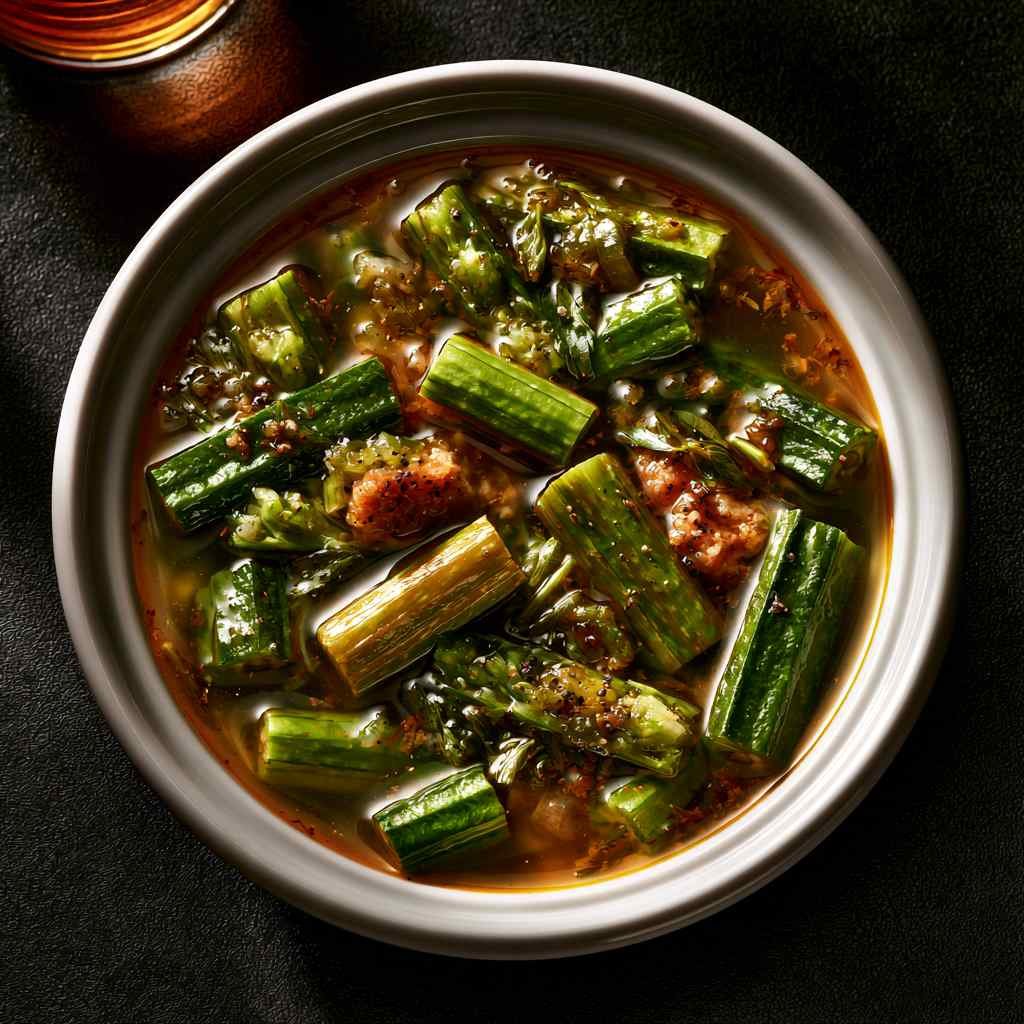
For diners looking for Moringa Soup near Wilmington, the appeal is often about more than finding another soup. It is a chance to experience an ingredient associated with traditional South Indian cooking in a warm, savory form. Rich restaurant-style gravies, moringa soup can highlight herbs, spices, leafy flavors, and the natural character of the plant itself.
What Is Moringa Soup?
Moringa soup is a savory preparation made using part of the Moringa oleifera tree, commonly known as the drumstick tree. Depending on regional cooking traditions and the recipe, moringa leaves or other edible parts of the plant may be combined with spices, aromatics, broth, lentils, vegetables, or other ingredients to create a warming soup.
In South India, the tree is familiar in more than one culinary form. Its tender leaves can be cooked like other traditional leafy greens, while the elongated immature pods commonly called drumsticks are frequently added to dishes such as sambar and vegetable preparations.
That versatility is one reason moringa does not feel like a specialty ingredient within traditional regional cooking. It can switch between regular vegetable dishes, lentil preparations, broths, and soups.
Why Is Moringa Used in Traditional South Indian Cooking?
Moringa soup belongs naturally within a food culture that has historically used greens, legumes, spices, tamarind, coconut, vegetables, and seasonal produce in remarkably varied ways.
One useful thing first-time diner often miss is that South Indian cuisine is much broader than dosa, idli, and biryani. Everyday home cooking frequently places vegetables and traditional leafy greens at the center of the plate rather than treating them as side dishes.
Moringa is especially well-suited to this strategy because different edible parts of the drumstick tree can be used in a variety of ways.
There is also an important distinction between today's wellness-oriented image of Moringa and its traditional culinary role. In many modern markets, people encounter moringa primarily as dried powder. In Indian cooking, however, the plant has long been treated as food.
That difference matters. A bowl of Traditional Moringa Soup is better understood as part of regional food culture than as a trendy "superfood" drink.
Leaves, Pods, and the Drumstick Tree: What Is the Difference?
"Moringa," "drumstick," and "drumstick leaves" are sometimes used interchangeably online, but they do not always describe the same ingredient.
Moringa leaves are the small green leaves of the tree and can contribute to an earthy, vegetal flavor. Drumsticks are the long, immature seed pods, which are commonly cooked until tender enough for their soft interior to be eaten. Both come from Moringa oleifera.
This is useful to know when ordering Moringa leaf soup, Moringa drumstick soup, or another regional moringa preparation because recipes may differ significantly.
It also explains why two restaurants can offer dishes associated with moringa yet produce very different textures and flavor profiles.
What Makes Moringa Soup Different from Other Indian Soups?
South Indian Moringa Soup stands apart because the plant ingredient itself can provide much of the dish's identity. Rather than relying mainly on cream, butter, or a thick puree, the soup can combine vegetal notes with pepper, warming spices, herbs, garlic, onion, or other aromatics, depending on the kitchen's regional recipe.
Compare that with several other Indian soups.
lentil soup often derives its body from cooked pulses. Tomato-based soup tends toward sweet acidity. Chettinad style soups may lean more strongly into pepper and assertive spices, while meat broths can develop richness through bones and longer cooking.
Moringa soup occupies its own space: warming and aromatic, yet often lighter on the palate.
That makes it particularly interesting for diners exploring authentic South Indian cuisine in Wilmington beyond the dishes they already know.
How Does a South Indian Kitchen Build Flavor in Moringa Soup?
One of the strengths of regional Indian cooking is the ability to create depth without depending on heavy sauces.
A traditional soup may begin with aromatics and spices rather than dairy. Pepper can add gradual heat. Cumin contributes to warmth and earthiness. Garlic may provide savory depth, while curry leaves or other regional seasonings can add a recognizable South Indian aroma.
The cooking method matters, too. Tender greens generally benefit from careful cooking rather than prolonged boiling, which can flatten their fresh character. When pods are involved, they require a different approach, so their interior becomes tender and releases flavor into the surrounding preparation.
This balance vegetable, spice, aroma, and broth is often what makes an Indian Moringa leaf soup Wilmington feel distinctly different from heavier restaurant starters.
Where Does Moringa Soup Fit into a Wilmington Meal?
For Wilmington diners, moringa soup makes sense as an opening course when the rest of the meal includes richer dishes such as biryani, curry, bread, or grilled specialties.
Sangam Indian Restaurant in Wilmington currently lists Murungakkai (Moringa) Soup among its soup selections, alongside Lentil Soup, Chettinad Chicken Soup, and Attu Kal Soup. The menu describes its moringa soup as being prepared with aromatic ingredients and spices.
That range itself shows something interesting about South Indian dining: soup is not limited to one flavor profile.
A diner looking for South Indian food can begin with a lighter vegetable-based option before moving toward rice, curry, dosa, or another substantial dish. This can work particularly well for family meals, weekend dining, or groups ordering several dishes to share.
What Are the Benefits of Moringa Soup?
Moringa leaves contain a variety of nutrients and plant compounds, which is one reason the plant receives considerable nutritional interest. However, the health value of a particular bowl of moringa soup depends on the amount of moringa used, preparation method, portion size, and other ingredients, so it should be viewed primarily as food rather than medicine.
Scientific reviews describe moringa leaves containing vitamins, minerals, carotenoids, glucosinolates, and other phytochemicals. At the same time, researchers note that clinical evidence for many therapeutic claims remains limited, so dramatic health promises should be treated cautiously.
That is an important distinction for diners.
The strongest reason to explore moringa soup is not because it promises a particular medical outcome. It is because it combines a nutrient-rich plant ingredient with a longstanding food tradition.