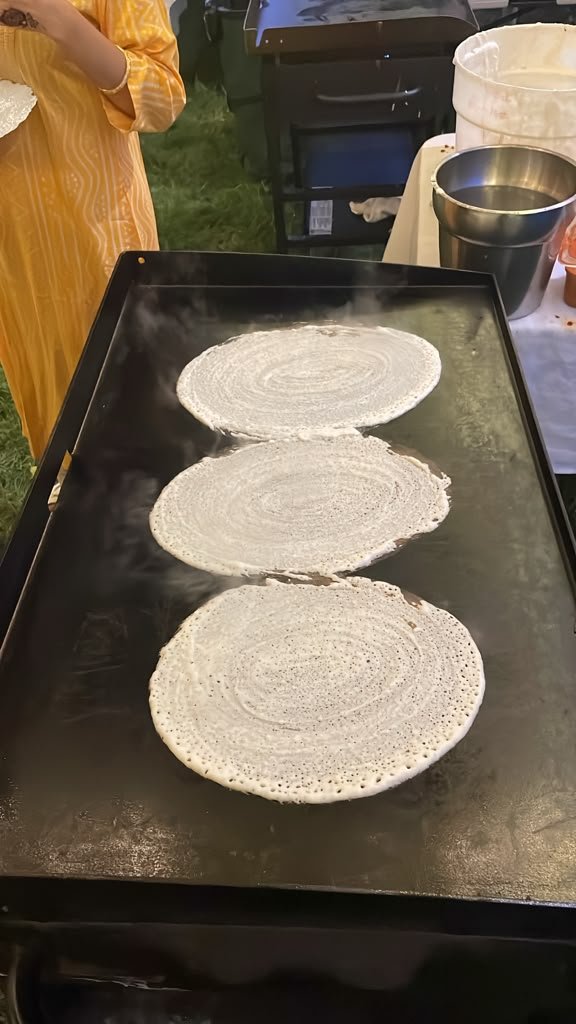
A perfectly prepared dosa reflects the art of turning simple ingredients into something memorable. Made from fermented rice and lentils, this iconic South Indian dish combines traditional preparation methods with layers of texture, flavor, and aroma.
Dosa with its crisp golden exterior, and soft interior, represents the balance and simplicity that define South Indian cuisine.
For diners exploring Indian Food Wilmington DE, dosa serve more than just a meal choice. It introduces a culinary tradition shaped by fermentation, regional ingredients, and generations of cooking knowledge.
Whether someone is new to Indian cuisine or already familiar with popular dishes, understanding the story behind dosa can make the dining experience more meaningful.
What Makes South Indian Food Wilmington DE Different from Other Indian Cuisine?
South Indian food is recognized for its use of fermented ingredients, rice-based preparations, lentils, coconut, and carefully balanced spices. The cuisine focuses on creating harmony between flavors and textures rather than relying only on richness or heat. Traditional techniques like fermentation and tempering play an important role in many dishes.
South Indian cuisine represents several regions, including Tamil Nadu, Kerala, Karnataka, Andhra Pradesh, and Telangana. Each area has its own food traditions influenced by local agriculture, climate, and cultural practices.
One of the most important characteristics of this cuisine is fermentation. Ingredients such as rice and lentils are transformed through a natural fermentation process, creating a unique taste and texture found in dishes like dosa and idli.
Another element that makes South Indian food distinctive is the focus on contrast. A single meal may include crispy textures, creamy chutneys, flavorful lentil-based dishes, and aromatic spice blends.
For those searching for South Indian Restaurant Wilmington DE, learning about these traditions helps create a better understanding of what makes regional Indian cuisine special.
Why Dosa Holds a Special Place in South Indian Cuisine
Dosa is one of the most recognized South Indian dishes because it combines traditional fermentation techniques with simple ingredients. Prepared from rice and lentil batter, dosa is cooked on a hot griddle until it develops a crisp texture while maintaining a delicate flavor.
The preparation of dosa requires attention and patience. The batter must reach the right consistency, and the cooking surface must be properly heated to create the characteristic thin and crispy structure.
Unlike heavy dishes that depend on rich sauces, dosa highlights the natural flavors of fermented batter. The slight tang from fermentation, the roasted aroma from the griddle, and the crisp texture create a balanced eating experience.
Traditionally, dosa is served with:
- Sambar made with lentils, vegetables, and aromatic spices
- Coconut chutney with fresh coconut and tempering spices
- Tomato, onion, or chili-based chutneys
Together, these accompaniments create different flavor combinations with every bite.
What First-Time Visitors Should Know About Dosa
Many first-time diners compare dosa to a pancake or crepe, but the preparation and serving style make it completely different. Dosa is traditionally thin, crispy, and designed to be enjoyed with flavorful accompaniments rather than sweet toppings.
The most popular varieties include:
Masala Dosa
A classic option for beginners, Masala Dosa Wilmington DE choices usually feature a crisp dosa filled with a seasoned potato mixture. The filling often includes potatoes, onions, mustard seeds, curry leaves, and traditional spices.
The combination of crispy outer layers and soft spiced filling creates a satisfying contrast in texture.
Plain Dosa
Plain dosa allows diners to appreciate the fermented batter itself. It has a subtle tang, light aroma, and crisp texture that highlights the skill involved in preparation.
Specialty Dosa Varieties
Across South India, dosa appears in many forms. Some versions incorporate millets, vegetables, or regional spice blends, showing how adaptable the dish can be.
The Regional Traditions Behind Different Dosa Styles
Dosa is closely connected to everyday South Indian dining culture. In many households, preparing dosa batter is a regular tradition because fermentation is considered an essential part of cooking.
A lesser-known fact is that dosa is not limited to breakfast. While commonly enjoyed in the morning, it is also served for lunch, dinner, and casual gatherings.
Another interesting aspect is the role of dosa in community dining. Families often prepare multiple accompaniments, allowing everyone to customize each bite according to their preferred flavors.
The dish reflects an important idea in Indian cuisine: simple ingredients, when treated with care, can create something deeply connected to culture and memory.
What a South Indian Food in Wilmington, DE Fits into Local Dining Culture
Wilmington’s food scene continues to expand with diners looking for authentic international flavors, vegetarian choices, and meals that serve cultural connections. South Indian cuisine fits naturally into this growing interest because it provides variety through traditional recipes, regional specialties, and diverse preparation styles.
For office lunches, family dinners, and weekend meals, dishes like dosa provide a lighter yet flavorful option compared with many other dining choices. The ability to share different dishes also makes Indian cuisine popular for group dining occasions.
At Sangam Indian Restaurant in Wilmington, guests can explore South Indian dishes alongside other Indian specialties. The menu features South Indian dosas, vegetarian selections, curries, biryanis, appetizers, desserts, and traditional beverages, providing diners a broader view of Indian cuisine.
Located in Wilmington, DE, Sangam serves local diners with options including dine-in, takeout, online ordering, and delivery, making regional Indian flavors accessible for different occasions.
What Should First-Time Visitors Order at a South Indian Restaurant?
Choosing the right combination can help first-time diners experience the variety of South Indian cuisine.
A Good Starting Point
Masala Dosa
A beginner-friendly choice that combines crisp dosa with flavorful potato filling.
Sambar and Chutney Pairing
Trying different chutneys helps diners understand how South Indian meals balance spice, freshness, and acidity.
Vegetarian Specialties
South Indian cuisine serves many vegetarian dishes featuring vegetables, lentils, coconut, and spices.
For Spice Lovers
Those who enjoy bold flavors can explore dishes featuring chili-based chutneys, spicy curries, and regional preparations inspired by Andhra and Telangana traditions.
For Families and Groups
Families can order a variety of dishes to share, including different dosa styles, appetizers, rice dishes, curries, and desserts. This allows everyone to experience multiple flavors in one meal.
How Is South Indian Cuisine Different from North Indian Cuisine?
South Indian cuisine commonly uses rice, lentils, fermented foods, coconut, and lighter spice combinations, while North Indian cuisine often features wheat-based breads, dairy ingredients, and richer gravies. Both cuisines represent diverse regional traditions within Indian food culture.
The difference is not only about ingredients but also cooking methods. South Indian dishes often highlight fermentation, tempering, and rice-based preparations, while North Indian dishes frequently emphasize slow-cooked gravies and breads.
Why Are Regional Indian Restaurants Becoming More Popular?
Regional Indian restaurants are becoming more popular because diners are increasingly interested in authentic culinary traditions, unique preparation methods, and the cultural stories behind dishes. Instead of searching only for familiar favorites, many guests now want to explore specific regional flavors.
This growing interest has helped dishes like dosa gain recognition among people looking for vegetarian-friendly meals, traditional recipes, and new dining experiences.